“berry treatment” search results (700)
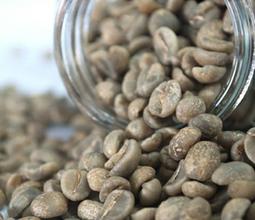
Processing methods of high-quality coffee and raw beans: washing and tanning
Raw coffee beans are the seeds of coffee trees. It is the wealth hidden in coffee cherries (coffee berries) that people usually call coffee cherries. They are mistakenly called beans because they are similar to the beans we usually see, but they are actually the seeds of coffee. Usually there are two flat oval coffee beans in the coffee berries, and there is only one in a few coffee berries.
2015-11-28 Boutique coffee raw beans treatment method washing sun drying seeds
Introduction to the structure diagram and growth process of coffee bean structure roaster
The harvested coffee berries need further treatment, usually in two ways. One is water washing, which is popular in Central America and parts of Africa; freshly harvested coffee berries separate the peel from the beans manually or mechanically, and then soak in water for 2 to 3 days. In this way, the pulp and sticky matter attached to the coffee beans will be removed. Then there is the Qing Dynasty.
2016-10-18 Coffee beans raw beans structure roaster structure diagram growth process introduction harvest
Introduction to the structure diagram and growth process of coffee bean structure roaster
The harvested coffee berries need further treatment, usually in two ways. One is water washing, which is popular in Central America and parts of Africa; freshly harvested coffee berries separate the peel from the beans manually or mechanically, and then soak in water for 2 to 3 days. In this way, the pulp and sticky matter attached to the coffee beans will be removed. Then there is the Qing Dynasty.
2016-10-18 Coffee beans raw beans structure roaster structure diagram growth process introduction harvest
Qianjie Cafe Ethiopia Ardi Yadi processing Plant Solar Sidamo G1
Coffee beans details: country: Sidamo, Ethiopia: G1 production area: Michicha, Kelenso Moconissa town, Guji micro production area, baking degree: light baking method: scaffolding sun varieties: Heirloom processing plant: Ardi flavor: berries, berries, jackfruit, white grape acidity, berry aftertaste [factory introduction] in Sidamo for several years
2015-02-13 Front Street Cafe Ethiopia Ardi Yadi processing Plant Sun Dharma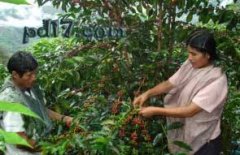
Which country has the best coffee? Top ten coffee producing countries
Coffee is one of the most popular drinks in the world. Due to different countries exporting coffee, the quality, taste and taste of coffee vary from country to country. Top 10 countries with best coffee: Peru Peru is a South American country, thanks to the coffee grown in Peru
2023-04-08 Which Country Coffee Good Country of Origin Top Ten Ranking World Hot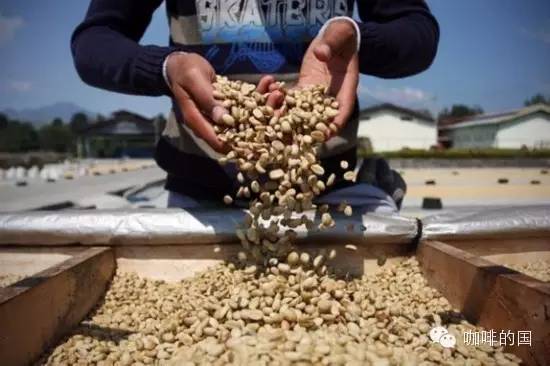
What is the difference in the taste of exactly the same coffee beans between washing and tanning?
Tanning is a traditional method for the initial processing of coffee beans, and at present, almost all coffee-growing countries such as Ethiopia and Yemen still use solarization to treat raw beans. Sun treatment will first identify sunken beans in the sink, that is, ripe or half-ripe beans are spread in the drying farm for natural drying. The specific time depends on the local climatic conditions, which usually takes two to four weeks.
2016-04-25 Completely similarly coffee beans water washing treatment sun taste there will be how
Introduction to the structure diagram and growth process of coffee bean structure roaster
The harvested coffee berries need further treatment, usually in two ways. Then there is the Qing Dynasty.
2016-10-18 Coffee beans raw beans structure roaster structure diagram growth process introduction harvest
Karana Jinta Mani Volcano Ubu treatment Plant, Bali, Indonesia
The success of the cafe has given them more motivation to pursue high-quality coffee sources. a few years ago, local coffee beans in Bali were processed by farmers in the Kintamani mountainous areas. however, regardless of weather factors, berry quality, post-production environment and other factors, it is always difficult for them to master the quality of raw beans in the past year. Since 2015, Rodney has decided
2016-05-03 Indonesia Bali Kara Jinta Mani Volcano Ubu processing Plant Coffee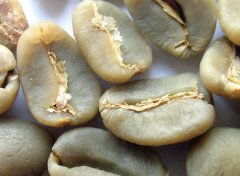
The treatment of raw coffee beans common sense of fine coffee beans
After the coffee fruit is picked, the coffee bean must be removed from the coffee fruit as soon as possible. There are generally several ways to deal with it: washing, that is, the coffee fruit is immediately picked when it turns red, the hard peel is removed by machine, the sticky berry is exposed, and then thrown into the pool to ferment. In about a day or two, the bacteria will eat most of the flesh attached to the seeds. The whole fermentation process needs to be monitored by the old master.
2015-01-23 Coffee raw beans processing methods boutique coffee beans common sense coffee picking and then
Coffee treatment methods Honey treatment methods there are several ways to treat coffee
The honey treatment process is vulnerable to pollution and mildew, so it needs to be closely watched throughout the process, constantly turning, and speeding up drying, so as to avoid bad fermentation flavor. Its advantage is that it can best preserve the original sweet flavor of coffee ripe fruit, making the coffee show elegant black sugar flavor and drupe flavor, while the berry flavor also supports the basic aroma of red wine, which is considered to be a very elegant product. Honey treatment
2016-07-30 Coffee treatment method introduction several process easy affected contaminated
Introduction to the Flavor description Grinding scale of Ethiopian Native seed 90 + Honey Kiss Coffee
Looking forward to Ruby (Perci Ruby N2): [Origin]: 90 + Panamanian Rosa Manor [season]: 2013 to 2014 [Variety]: Rosa [Level]: 195 [altitude]: 1250m-1650m [treatment]: 90 + patented Ruby treatment [Flavor]: the ruby treatment has strong tropical fruit flavours of brandy and honey. The heat of mangoes and pineapples
2016-10-20 Ethiopia native boutique 90mm honey kiss coffee flavor description grinding
Panama Poquet Butterfly Coffee Bean with Nutty and Berry Aromas
[Chinese Name] Panama Borque Specialty District Caesar. Louis [cup test flavor] clean and fresh fruit flavor, elegant charming floral fragrance, citrus slightly sour, bright and delicate taste, full fruit sweet fragrance. [Country] Panama [Region] Borquette [Manor] CASA RUIZ S.A. Caesar. Lewis [Treatment] Water Wash [Variety] 40%TYPICA 30%CATURRA
2016-06-28 dry and wet aromatic with nutty fruity aroma panama poque special flower butterfly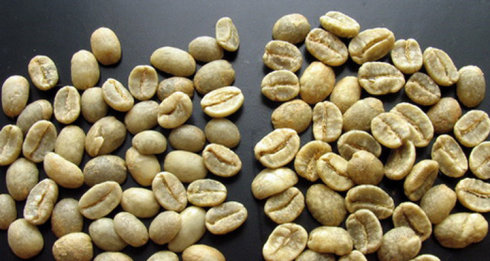
The difference between the two methods of tanning honey how to tell the difference between sunburn and sunburn is a traditional coffee.
Tanning is a traditional method for the initial processing of coffee beans, and at present, almost all coffee-growing countries such as Ethiopia and Yemen still use solarization to treat raw beans. Sun treatment will first identify sunken beans in the sink, that is, ripe or half-ripe beans are spread in the drying farm for natural drying. The specific time depends on the local climatic conditions, which usually takes two to four weeks.
2016-04-25 Insolation treatment two methods cause difference how distinction tradition solarization
Coffee treatment of Alida Manor in Panama
The Pokuit region is located on the eastern side of Mount Baru, a valley of lava flowing through Panama, next to another well-known coffee producing area in Panama, the Vulcan Valley (Volcan Valley). The Pokuit region has always been the most high-profile coffee producing area in Panama, and there are many famous estates in the region, such as the Emerald Manor (Esmera), which is famous for its Geisha variety.
2016-06-14 Panama Lida Manor Coffee processing way Pokui producing area located in Baru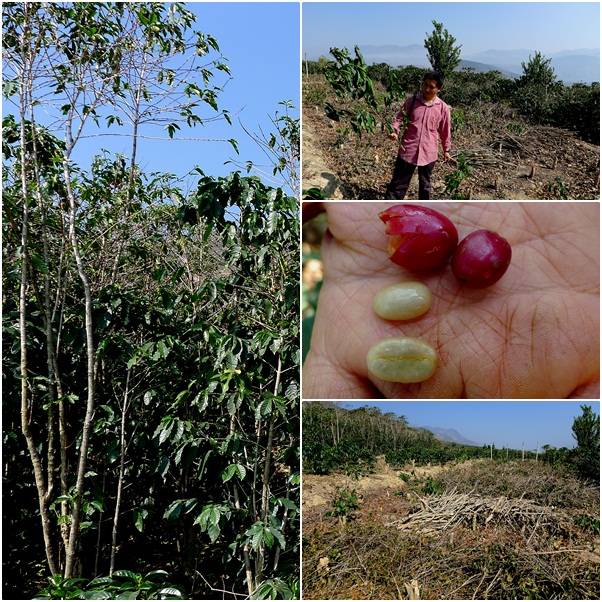
How much is the coffee per jin? Ethiopian sun aricha Yejia snow caffeine
This batch is produced at the KebelAricha processing plant, where there are about 650,700 small coffee farmers who send ripe coffee berries here for processing in exchange for cash. After the treatment plant selects the available berries, they are directly exposed to the sun on the scaffolding and are turned every 2-3 hours in the first few days to prevent overfermentation. After four to six weeks of sun exposure, the workers will look at the weather
2016-04-08 Coffee less money one jin Ethiopia sun Yega Sheffield aricha
Introduction to the Flavor description characteristics of Fine 90 + Honey Kiss Coffee
Honey Kiss 90 + Coffee in 2009, this coffee was named after Nectar from Shakisso, meaning it has the same flavor as nectar from Ethiopia. Nekisse is characterized by a creamy and smooth taste, a strong berry sauce, and some batches even have a mixture of chamomile and a variety of tropical fruits. Although it was originally planted in Shakisso producing areas,
2016-10-21 Boutique 90mm Honey Kiss Coffee Flavor description characteristics Variety Taste treatment
Introduction to the types and treatment of Panamanian Coffee
Manor: Panamanian Hartman Manor Black Honey treatment country: Panama Panama producing area: Hartmann Estate Variety: Caturra,Typica altitude: 1250-1700 Meters treatment: black Honey treatment Black Honye Flavor description: honey sweet, dried longan, dried fruit, noble red wine, ripe fruit finish, mellow. Manor: Hartman Manor in Panama
2016-06-27 Panama Coffee species and its treatment method Manor introduction Bana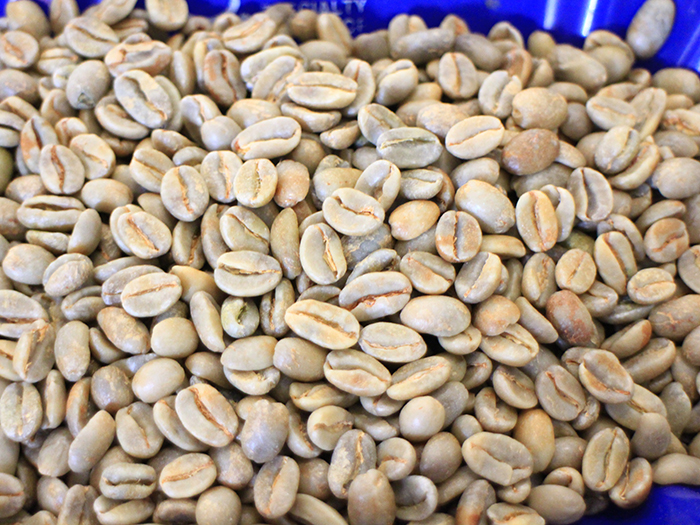
Ethiopia unbaked Yega Sheffield Erika boutique coffee raw beans sun-dried aricha2015 new beans
This batch is produced at the KebelAricha processing plant, where there are about 650,700 small coffee farmers who send ripe coffee berries here for processing in exchange for cash. After the treatment plant selects the available berries, they are directly exposed to the sun on the scaffolding and are turned every 2-3 hours in the first few days to prevent overfermentation. After four to six weeks of sun exposure, the workers will look at the weather
2016-04-13 Yesso Biya Baking Yega Sheffield Ari Fine goods Coffee Raw beans Solar
Ethiopian coffee producing region Flavor Description Ethiopian Yegashfi coffee characteristics Taste introduction
The coffee tree originated in Ethiopia, where it was originally a wild plant, and the name coffee comes from the Ethiopian town of Kaffa. Humans probably knew how to cultivate coffee trees as early as the 9th century. Ethiopia coffee origin: Ethiopia many coffee
2023-01-05 Ethiopia Coffee Unique Flavor Characteristics Origin
The most important sun bean producing area in Ethiopia.
Hara is the most important sun bean producing area in Ethiopia. Hara sun beans are low-key but have fermented blueberry wine and unpredictable aromas. Long rice (long berry) Halamoka is called (Boldgrain) the highest grade in Haramoka after the second manual screening. (1. Short berry 2. Long berry 3.Boldgrain) Ethiopian coffee
2014-07-02 Ethiopian sun bean producing area coffee bean sun producing area